What Is Minhwa?
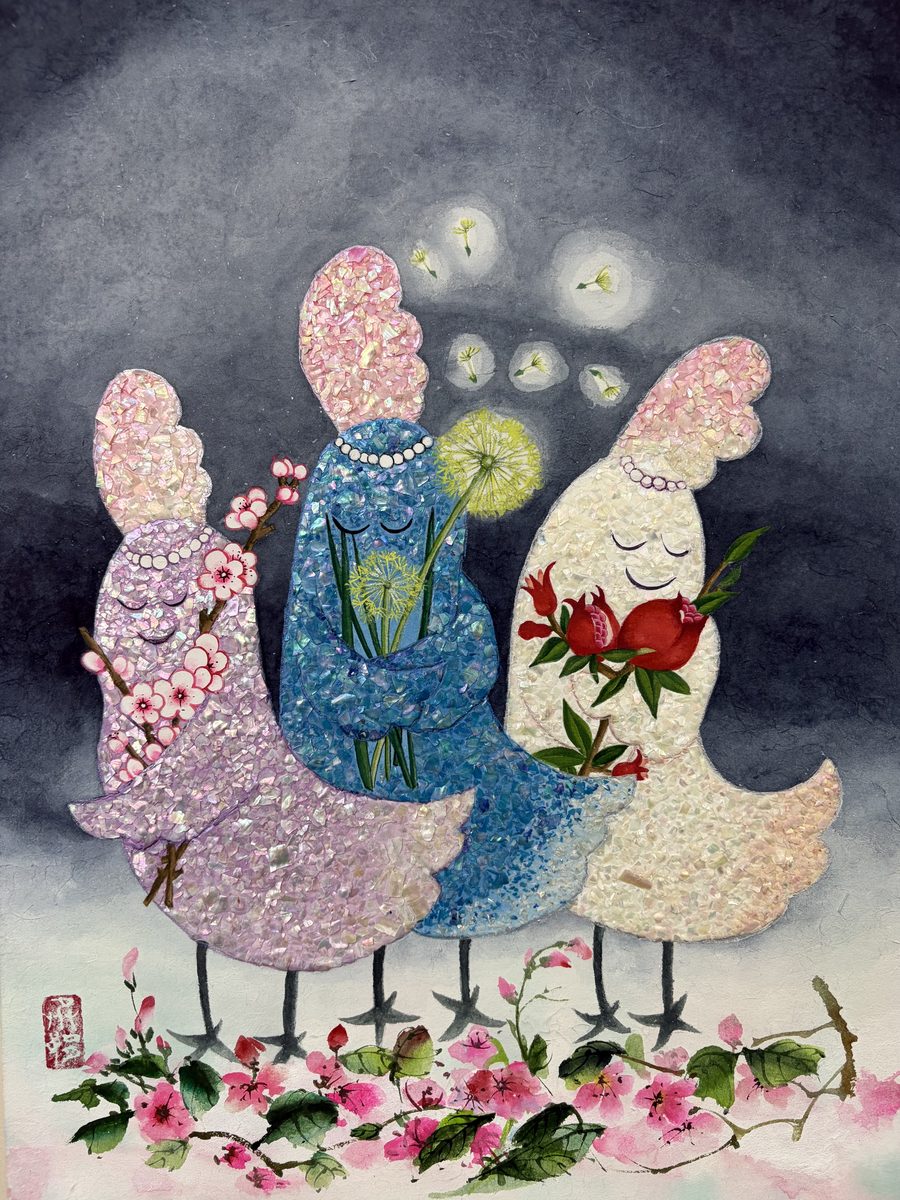
Minhwa (민화) means, literally, 'painting of the people.' Not the work of court painters, but images made and shared by anonymous artisans and ordinary people.
Above all, Minhwa is a painting of symbols. Every element carries a wish. Look at it long enough and the painting reads like a letter.
The classic subjects of Minhwa
The peony means wealth and honor; the lotus, purity and fertility. The tiger is a guardian who drives away evil — yet in folk painting it wears a face that is somehow comic and endearing. The bird-and-flower painting stands for harmony between husband and wife; chaekgeori (paintings of books and scholar's objects) hold a reverence for learning.
The bird-and-flower painting (hwajodo) and the Sipjangsaeng — the ten symbols of longevity gathered together — are other great branches of Minhwa.
To study Minhwa is to learn the language of its symbols alongside the brushwork.
Why Minhwa now
Minhwa was never a painting bound by rules. It was free, bold, often ignoring perspective, unafraid of color. I believe that freedom is exactly why Minhwa is still alive today. To learn the traditional symbols, and then rewrite them as your own story — that is the moment I treasure most in teaching.
Beginners need not be afraid. Minhwa was never a painting of perfect technique; it was a painting that held the heart.
If this story spoke to you, come take up the brush in the studio.
Ask about lessons